
Aim:
Spark Tank Westminster was designed to empower young people aged 16–25 to turn their innovative ideas into viable businesses through funding, mentoring, expert support and practical entrepreneurial development.
The programme awarded 15 young entrepreneurs with £1,000 grants to help grow & build their ventures, alongside a structured package of workshops, one-to-one mentoring, drop-in clinics and specialist support from industry professionals.
The programme encouraged participants to test ideas, validate assumptions, build confidence and take practical first steps towards launching sustainable businesses.
The cohort represented a diverse range of founders and business ideas, including technology, health and wellbeing, beauty, sustainability, events, interior design, creative industries and community-focused enterprises.
Roll Out:
The programme combined £1000 of grant funding with personalised 1-1 online mentoring, practical workshops and regular drop-in clinics that focused on the real challenges each founder was facing. The in-person support programme came to 40+hours of support at the Unloc offices in Maida Vale.
Rather than following a fixed programme, support was tailored to the stage of each business, allowing founders to receive guidance that was directly relevant to their needs. Sessions explored topics such as customer validation, financial planning, branding, sales, legal considerations and business strategy, while also providing opportunities for founders to receive constructive feedback from mentors, industry professionals and their peers.
Delivery was intentionally adapted to reduce barriers to participation, with practical activities, visual resources and individual action plans helping participants develop confidence regardless of their previous business experience or communication style.
What impact did it have on the young people?
Spark Tank Westminster gave young people the confidence to believe that their ideas had real potential and that entrepreneurship was something they could genuinely pursue. Throughout the programme, participants moved from asking, “Could I do this?” to saying, “I’m going to give this a go.” By providing practical skills, personalised mentoring and regular opportunities to test and refine their ideas, the programme helped remove many of the barriers and self-doubt that often prevent young people from taking the first step.
As participants progressed through the programme, they became more confident sharing their ideas, seeking feedback and making decisions about their businesses. They developed a stronger understanding of what it takes to turn an idea into reality and left with a clear sense of direction, achievable next steps and the belief that they were capable of building something meaningful. For many, Spark Tank was the catalyst that transformed entrepreneurship from a distant ambition into a realistic and exciting opportunity, leaving them motivated to continue developing their ventures long after the programme had ended.
Participants developed ideas that aimed to support single mothers through practical services and community networks, create women-only fitness classes to make exercise more accessible and inclusive, develop sustainable packaging made from mushroom materials to reduce environmental waste, and use artificial intelligence to provide more personalised support for learner drivers. These ideas reflected a strong desire to improve people’s lives while building sustainable businesses.
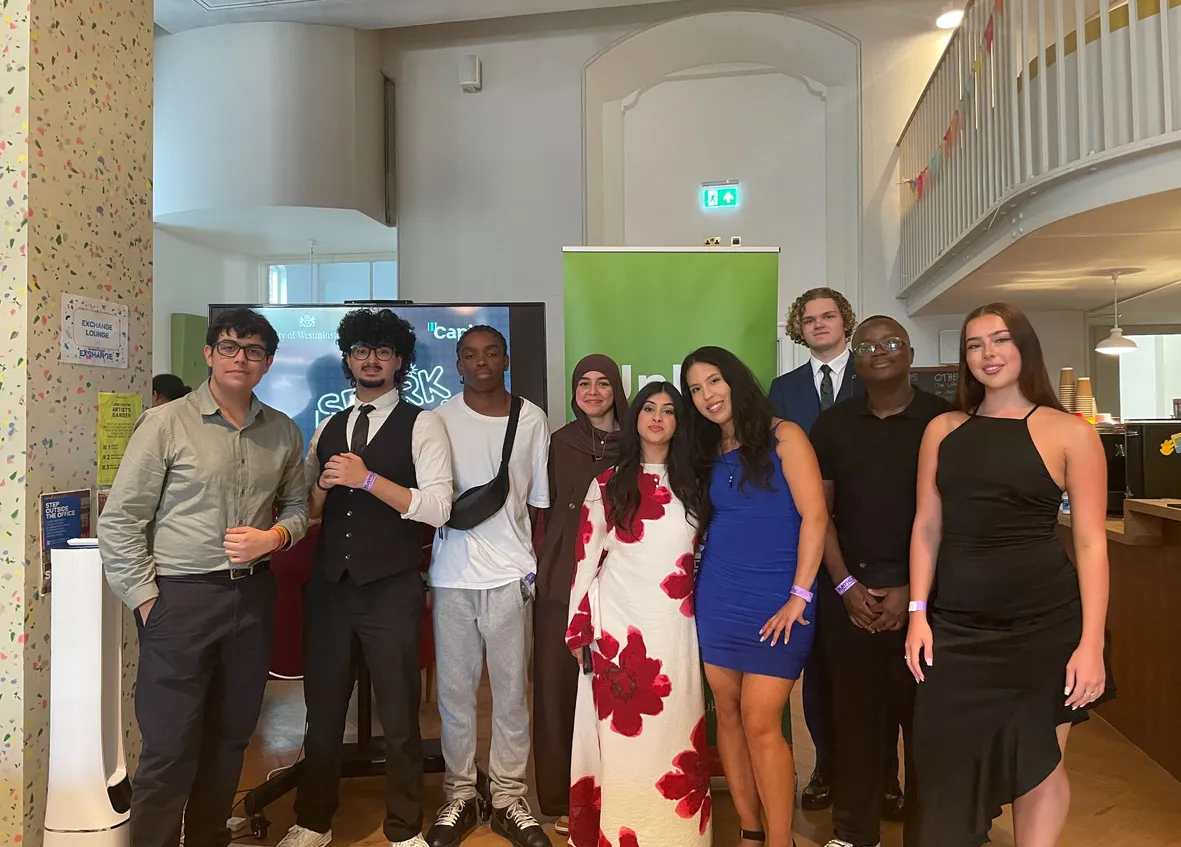
Perhaps the most significant impact was the personal growth demonstrated by the participants throughout the programme. Many founders began the journey with the seed of an idea or unsure where to begin. As the programme progressed, they became noticeably more confident in discussing their businesses, asking for support and making informed decisions. Rather than striving for perfection, participants began embracing testing, learning and continuous improvement as part of the entrepreneurial process.
Founders also developed greater resilience, learning that setbacks and uncertainty are a natural part of building a business. They became more reflective, more willing to seek feedback and increasingly focused on evidence-based decision making. Perhaps most importantly, many participants stopped seeing themselves simply as students or individuals with an idea and began identifying as entrepreneurs capable of creating meaningful businesses that could positively impact their communities. The programme gave them not only practical business knowledge, but also the confidence and belief that they could turn their ambitions into reality.
